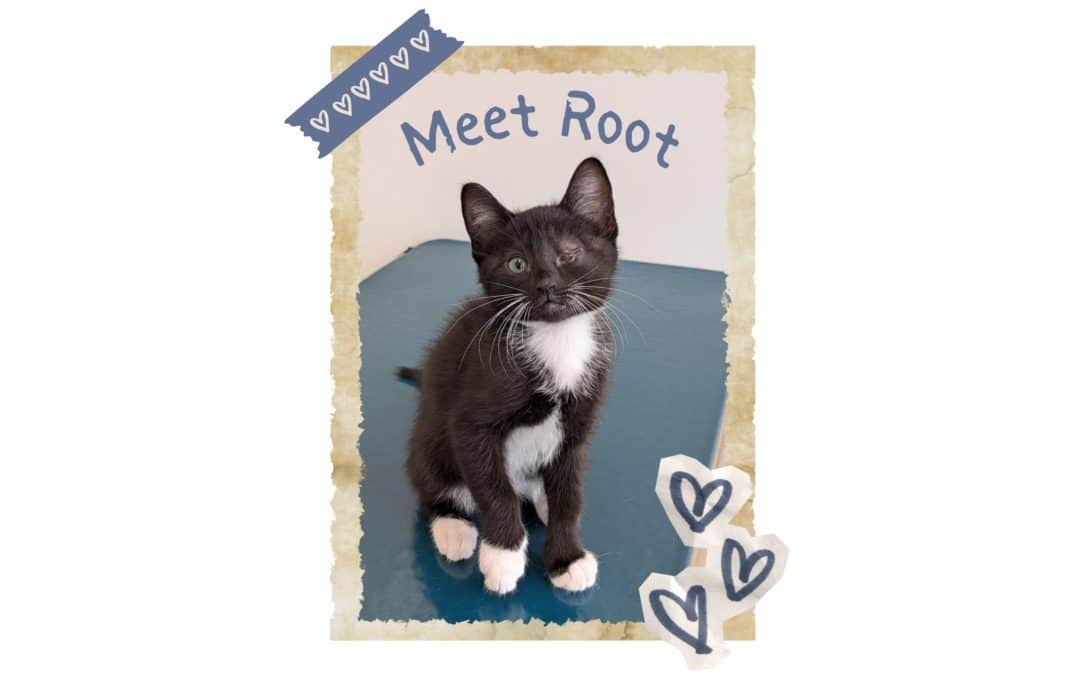
Root’s emergency surgery

Root’s emergency surgery

As the weeks passed in foster care, this sweet tuxedo kitten battled multiple viruses and a severe upper respiratory infection. While his tiny body slowly began to recover, one heartbreaking concern remained.

The inflammation and infection in one of his eyes continued for weeks, even with dedicated veterinary care. His little eye became so swollen that it sealed completely shut. His care team grew increasingly concerned that he could lose the eye if the infection couldn’t be brought under control. We knew surgery would likely be part of his future, but we hoped we had more time.

Then everything changed. His eye suddenly became painfully swollen.

What we hoped would be a planned procedure became an emergency. The only way to relieve his pain and protect his health was immediate surgery to remove the eye.
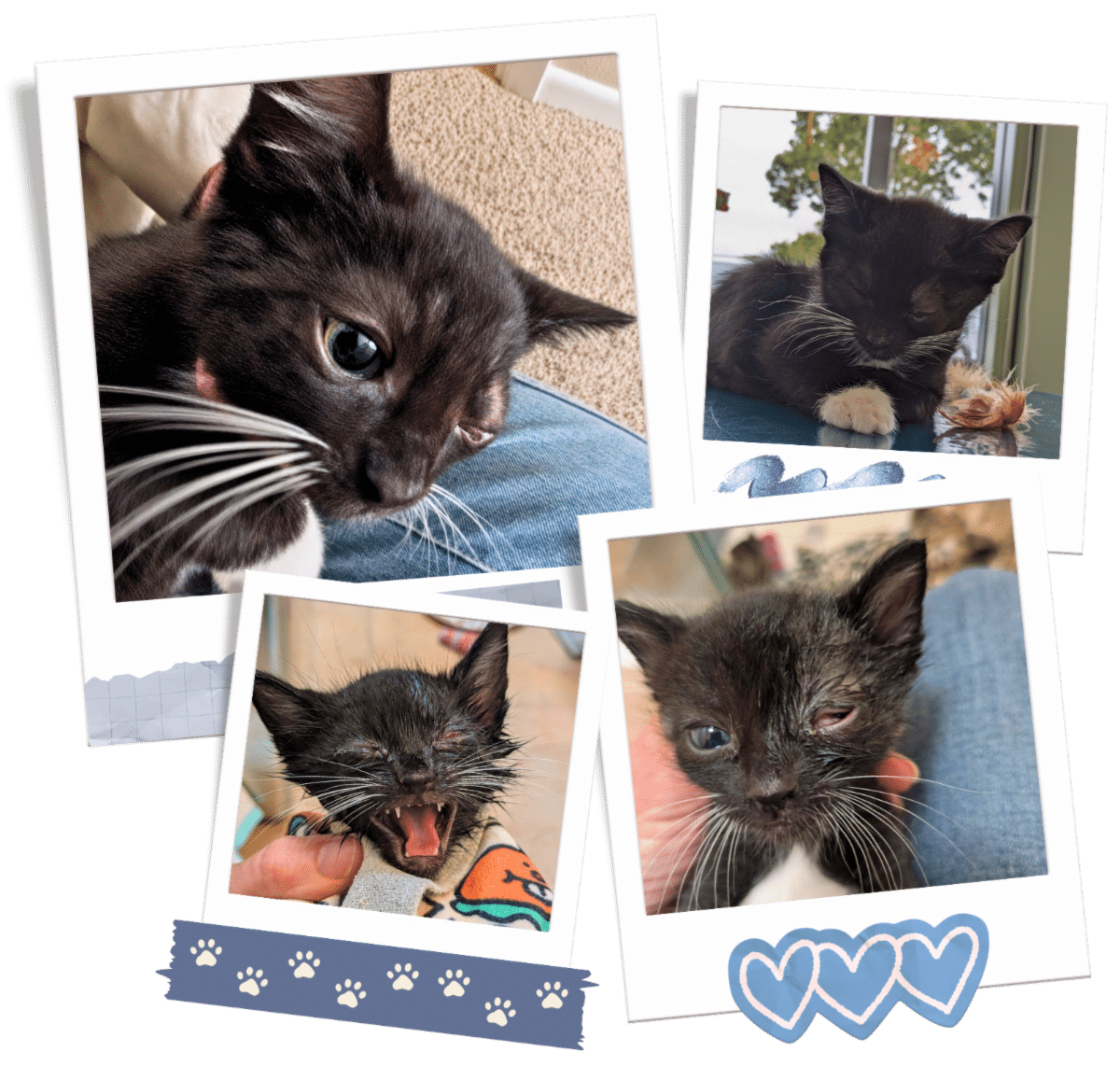
Collage of Root, the black kitten rescued from the River Bed, with an infection of the eye

But here’s the remarkable part.

Despite everything he’s endured, Root hasn’t lost his spark.

He’s the spunkiest kitten of the bunch, full of confidence, curiosity and endless personality. He has a way of looking right into your eyes, as if he’s making sure you know he’s doing just fine. Part comedian and part cuddle bug, Root spends his days chasing toys, wrestling with his siblings and reminding everyone around him that joy can thrive, even after hardship. Losing one eye won’t slow this little guy down for a second.

Root doesn’t have a family to advocate for him so that’s where C.A.R.E.4Paws’ Animals In Need Fund Program steps in, and because of compassionate supporters like you, orphaned kittens like Root receive specialized emergency veterinary care when no one else is there to help. Medical emergencies can’t wait.


C.A.R.E.4Paws urges preventive care for Central Coast pets

C.A.R.E.4Paws urges preventive care for Central Coast pets

Santa Barbara Independent | Tuesday, September 29, 2026 | 11:03am | Catching health concerns early can mean less costly treatment and healthier, happier pets. |

When sweet senior Athena arrived at C.A.R.E.4Paws’ mobile veterinary clinic, her family believed they were coming to say goodbye. Severe skin problems had progressed to the point that Athena’s family had scheduled a euthanasia appointment. But after examining Athena, C.A.R.E.4Paws’ Lead Clinic Veterinarian, Dr. Meighan Gomes, saw another path forward. Instead of euthanasia, Gomes and the clinic team began treating Athena’s condition and working closely with her family. Today, Athena is feeling much better.

It is impossible to know whether earlier veterinary care would have changed the course of Athena’s condition. But her story reflects a challenge C.A.R.E.4Paws sees increasingly across Santa Barbara and San Luis Obispo counties: families who love their pets deeply but may delay seeking veterinary care because they are worried about what it will cost. By the time they seek help, a health concern that may have been easier and less expensive to address earlier can sometimes become a medical crisis.

The problem extends far beyond the Central Coast. A March 2026 survey from the ASPCA found that six in 10 U.S. pet families lack confidence that they could afford a medical emergency for their pet, potentially putting more than 100 million pets at risk.

Through its mobile veterinary clinics, C.A.R.E.4Paws helps more than 1,300 pet families each month access affordable wellness and medical services, including vaccines, flea and deworming treatments, nail trims, care for ear and skin infections, and dental care. The organization also spays and neuters approximately 2,000 dogs and cats annually—procedures that are an important part of preventive care. Spaying can prevent pyometra, a potentially life-threatening uterine infection, and greatly reduce the risk of mammary tumors, particularly when performed early. Neutering eliminates the risk of testicular cancer and can help prevent other reproductive health problems.

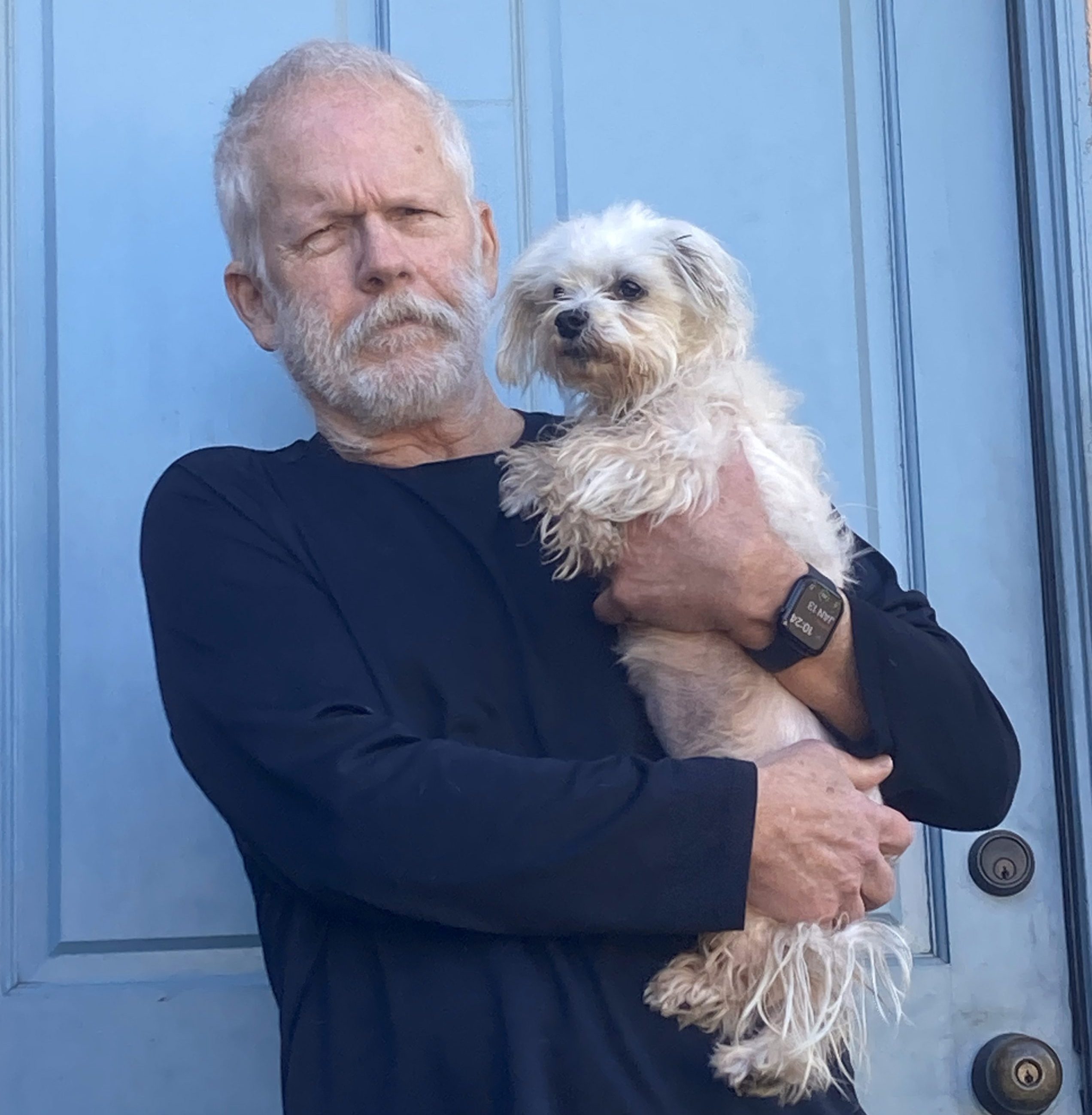
Senior client with his dog at a pet wellness clinic in Santa Barbara

Because C.A.R.E.4Paws is not intended to replace a pet’s primary care veterinarian, the organization encourages families to establish a relationship with a veterinarian for regular exams and ongoing care. “Preventive medicine is essential for the long-term health of our pets,” says Dr. Gomes. “Scheduling regular exams, whether for routine wellness or a specific concern, helps us identify issues that may be hidden beneath the surface. We often see patients for a single obvious complaint, such as a dog licking its feet, but a thorough exam may reveal other issues, including skin or ear infections, underlying allergies or parasites.” She adds, “Early detection and treatment can make recovery easier for the pet, more manageable for the family and far more cost-effective. These appointments also give us an opportunity to discuss long-term care, what to expect, and how to prepare for a pet’s future health needs.”

C.A.R.E.4Paws recognizes that veterinary costs put care out of reach for many Central Coast families, whether they are seeking preventive care or treatment for a sick or injured pet. In addition to the affordable wellness and medical services offered through its mobile clinics, the nonprofit’s Veterinary Partner Services program, supported by the organization’s Albus Pet Lifeline Fund, helps eligible families access urgent and advanced treatment through partner hospitals.

“When a pet is sick or injured, families are often making difficult decisions while worrying about how they will afford care,” says Libby Cabral, C.A.R.E.4Paws’ Assistant Manager, who oversees Veterinary Partner Services. “Supporting pets starts with supporting people. We help families understand what resources are available and, whenever possible, find a path forward for their pets.”

Donations to C.A.R.E.4Paws support affordable veterinary care throughout Santa Barbara and San Luis Obispo counties, including wellness and medical services through its mobile clinics and financial assistance for urgent and advanced care through the Albus Pet Lifeline Fund. To support C.A.R.E.4Paws’ veterinary programs or learn more about services, upcoming mobile clinic dates, financial assistance or the Albus Pet Lifeline Fund, visit care4paws.org.

Care before a crisis

Care before a crisis

When Athena arrived at C.A.R.E.4Paws’ mobile veterinary clinic, her family believed they were coming to say goodbye.

The sweet terrier mix had been struggling with severe skin problems that had progressed to the point that her family had scheduled a euthanasia appointment. But after examining Athena, C.A.R.E.4Paws’ Lead Clinic Veterinarian Dr. Meighan Gomes saw another path forward.

Instead of euthanasia, Dr. Gomes and the clinic team began treating Athena’s condition and working closely with her family. Today, Athena is feeling much better.

Athena’s story has a happy outcome, but it also speaks to something our team sees far too often. Families love their pets deeply, yet the rising cost of veterinary care can make it tempting—or sometimes necessary—to wait and hope that a health concern improves on its own.

Unfortunately, waiting can sometimes mean that a problem that might have been easier and less expensive to address early becomes much more serious. And this is by no means only a Central Coast issue. A March 2026 ASPCA survey found that six in 10 U.S. pet families lacked confidence that they could afford a medical emergency for their pet, potentially putting more than 100 million pets at risk.

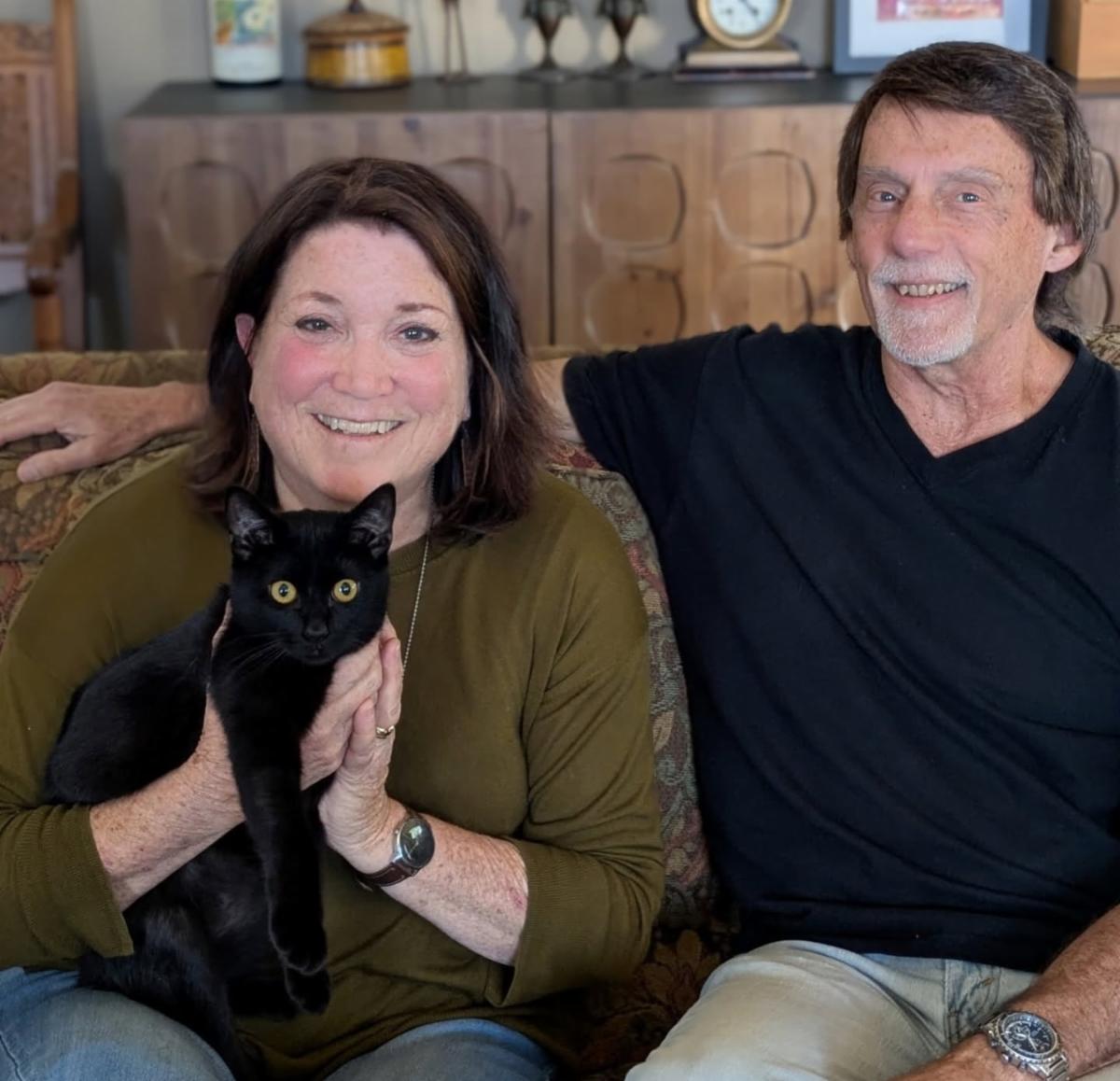
Senior woman sitting with a cat

Small steps can make a big difference

Preventive care doesn’t always mean something complicated or expensive. Vaccinations, parasite prevention, dental care and spaying or neutering can all help pets stay healthier and avoid more serious medical problems down the road.

Through our mobile veterinary clinics, we help more than 1,300 pet families each month access affordable wellness and medical services, from vaccines and flea and deworming treatments to nail trims, care for ear and skin infections, and dental care. We also spay and neuter approximately 2,000 dogs and cats each year.

Spaying and neutering are about much more than preventing unwanted litters. Spaying can prevent pyometra, a potentially life-threatening uterine infection, and reduce the risk of mammary tumors, particularly when performed early. Neutering eliminates the risk of testicular cancer and can help prevent other reproductive health problems.

Just as important is having a veterinarian who knows your pet.

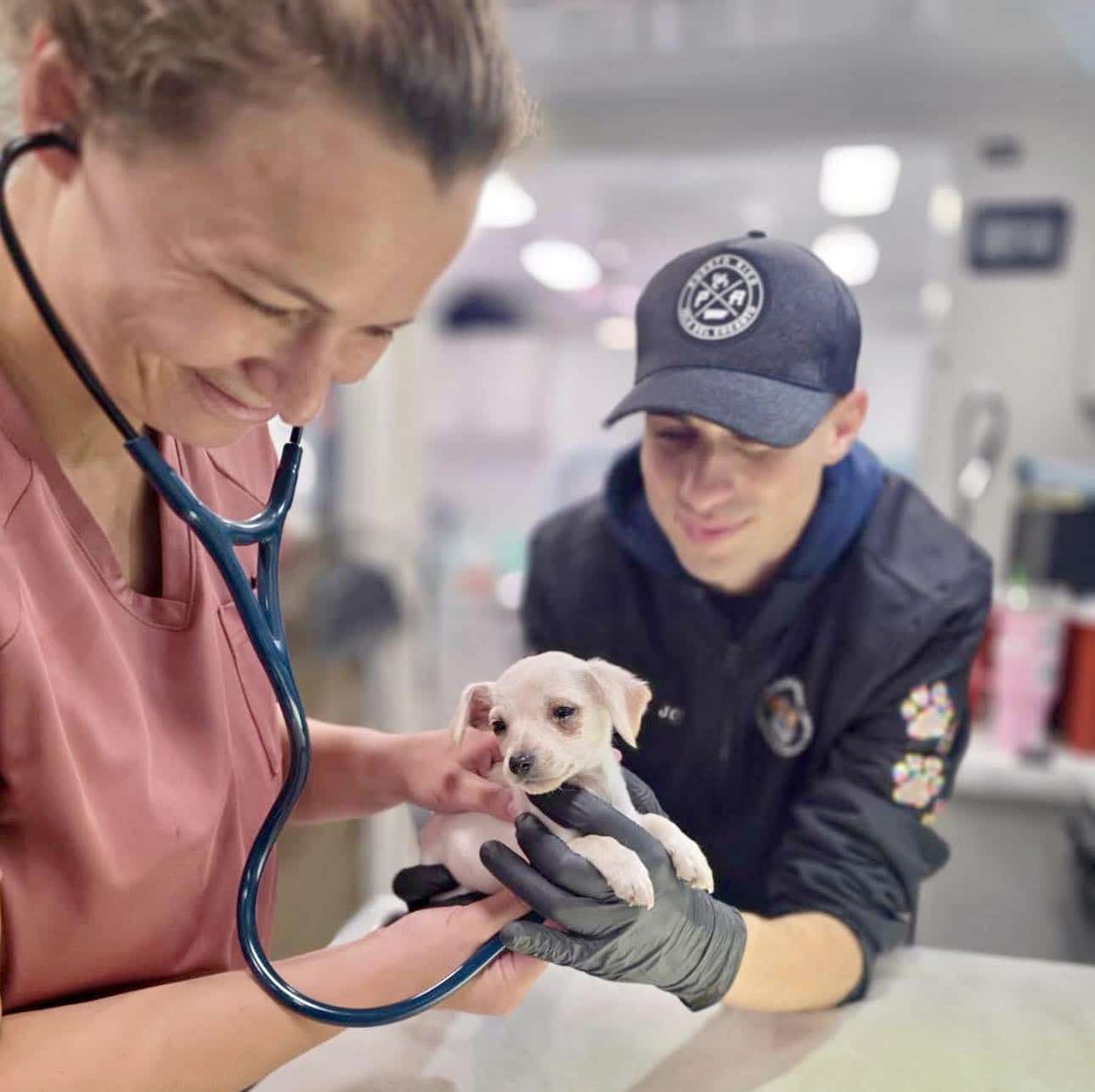
Dr. Gomes with JC, Pet Wellness Clinic Coordinator checking the health of a puppy

C.A.R.E.4Paws is not intended to replace a pet’s primary care veterinarian, so we encourage families to establish a relationship with a veterinarian for regular exams and ongoing care. Those visits can uncover things that aren’t always apparent at home.

“Preventive medicine is essential for the long-term health of our pets,” says Dr. Gomes. “Scheduling regular exams, whether for routine wellness or a specific concern, helps us identify issues that may be hidden beneath the surface.”

Dr. Gomes says a family may bring in a dog for something as seemingly straightforward as licking its feet, only for a thorough examination to reveal skin or ear infections, underlying allergies or parasites.

“Early detection and treatment can make recovery easier for the pet, more manageable for the family and far more cost-effective,” she says. “These appointments also give us an opportunity to discuss long-term care, what to expect, and how to prepare for a pet’s future health needs.”

Client at the pet wellness clinic

When cost stands in the way

Of course, telling families to seek veterinary care early only goes so far if they cannot afford that care in the first place.

That is why access is such an important part of our work.

Our mobile clinics make many wellness and medical services more affordable, and when eligible families need urgent or advanced treatment, our Veterinary Partner Services program helps connect them with care through partner veterinary hospitals. The program is supported in part by our Albus Pet Lifeline Fund.

“When a pet is sick or injured, families are often making difficult decisions while worrying about how they will afford care,” says Assistant Manager Libby Cabral, who oversees Veterinary Partner Services. “Supporting pets starts with supporting people. We help families understand what resources are available and, whenever possible, find a path forward for their pets.”

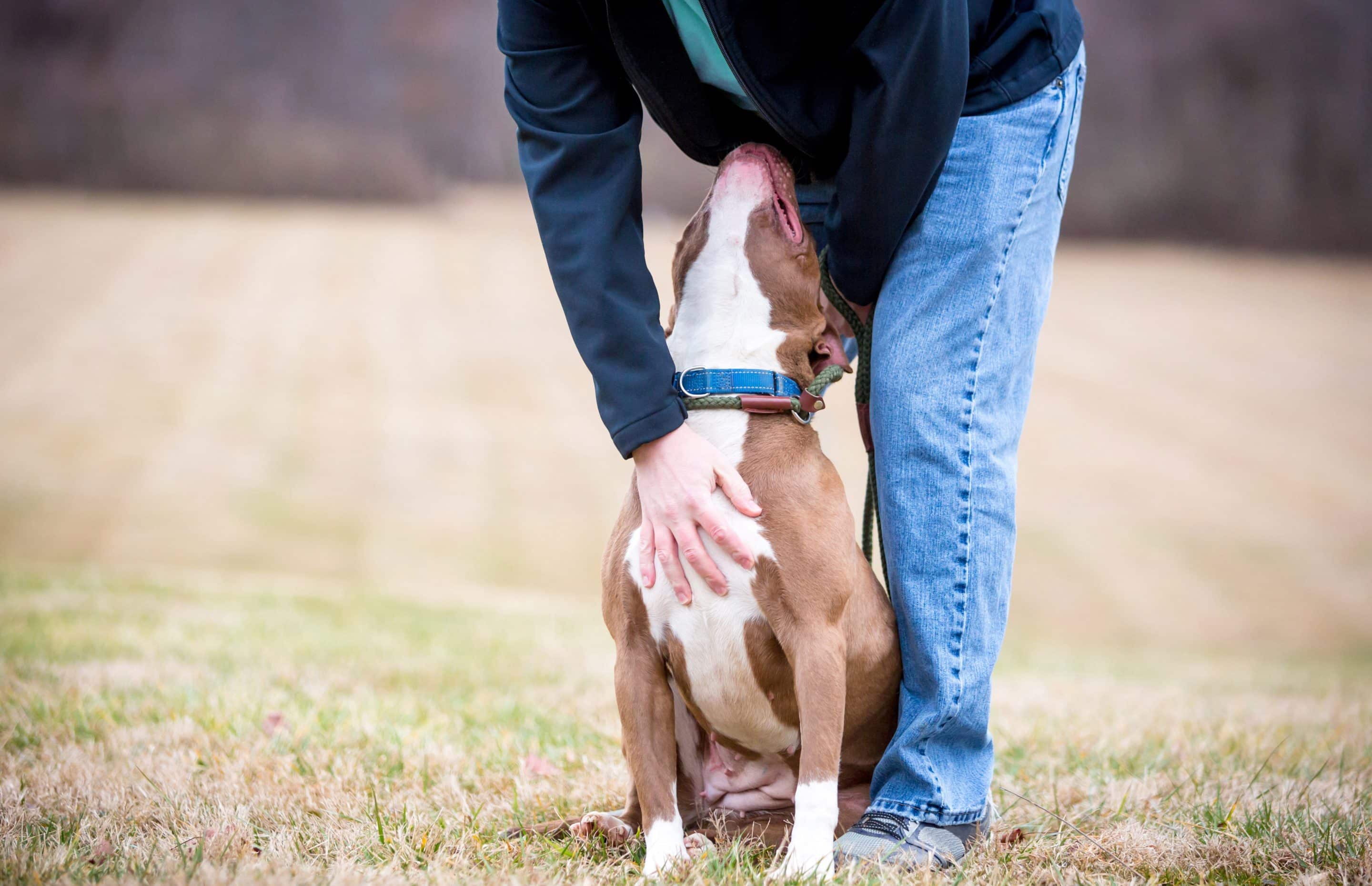
Athena the og showing gratitude by looking up at her person

Athena’s family found that path forward. And while we can never know whether earlier care would have changed the course of her condition, we do know that helping families access care sooner can make an enormous difference—for the pet they love and for the people who love them.

Inspiring conversations with Isabelle Gullö of C.A.R.E.4Paws

Inspiring conversations with Isabelle Gullö of C.A.R.E.4Paws

By: Central Cost Voyager | September 17, 2026 |

Today we’d like to introduce you to Isabelle Gullö.

Alright, so thank you so much for sharing your story and insight with our readers. To kick things off, can you tell us a bit about how you got started?

C.A.R.E.4Paws really grew out of what we were seeing firsthand as volunteers at our local animal shelter. So many dogs and cats were entering the shelter system not because their families didn’t love them, but because people were struggling to afford veterinary care, spay/neuter services, pet food and other basic resources. We kept thinking: What if we could reach families earlier, before they were forced to give up the pets they loved?

In 2009, a small group of us founded C.A.R.E.4Paws with the belief that supporting pets starts with supporting people. We began by going directly into underserved communities, connecting with families and providing the resources that could help keep their pets healthy and at home.

What started as a grassroots effort has grown far beyond anything I could have imagined. Today, C.A.R.E.4Paws supports more than 25,000 pets and families each year across California’s Central Coast. Our programs include mobile veterinary care and spay/neuter services, assistance with urgent and advanced veterinary care, pet food and supplies, foster care and behavioral support, Safe Haven for survivors of domestic violence, our new Pet Refuge for families facing temporary crises, and humane education for young people.

I’m incredibly proud of how much we’ve grown, but what matters most to me hasn’t changed since the beginning. We meet people where they are, without judgment, and try to find solutions that keep pets healthy, safe and with the people who love them. Every day, we see how powerful that support can be—not only for an animal, but for an entire family.

Unhoused pet family receives preventative pet care
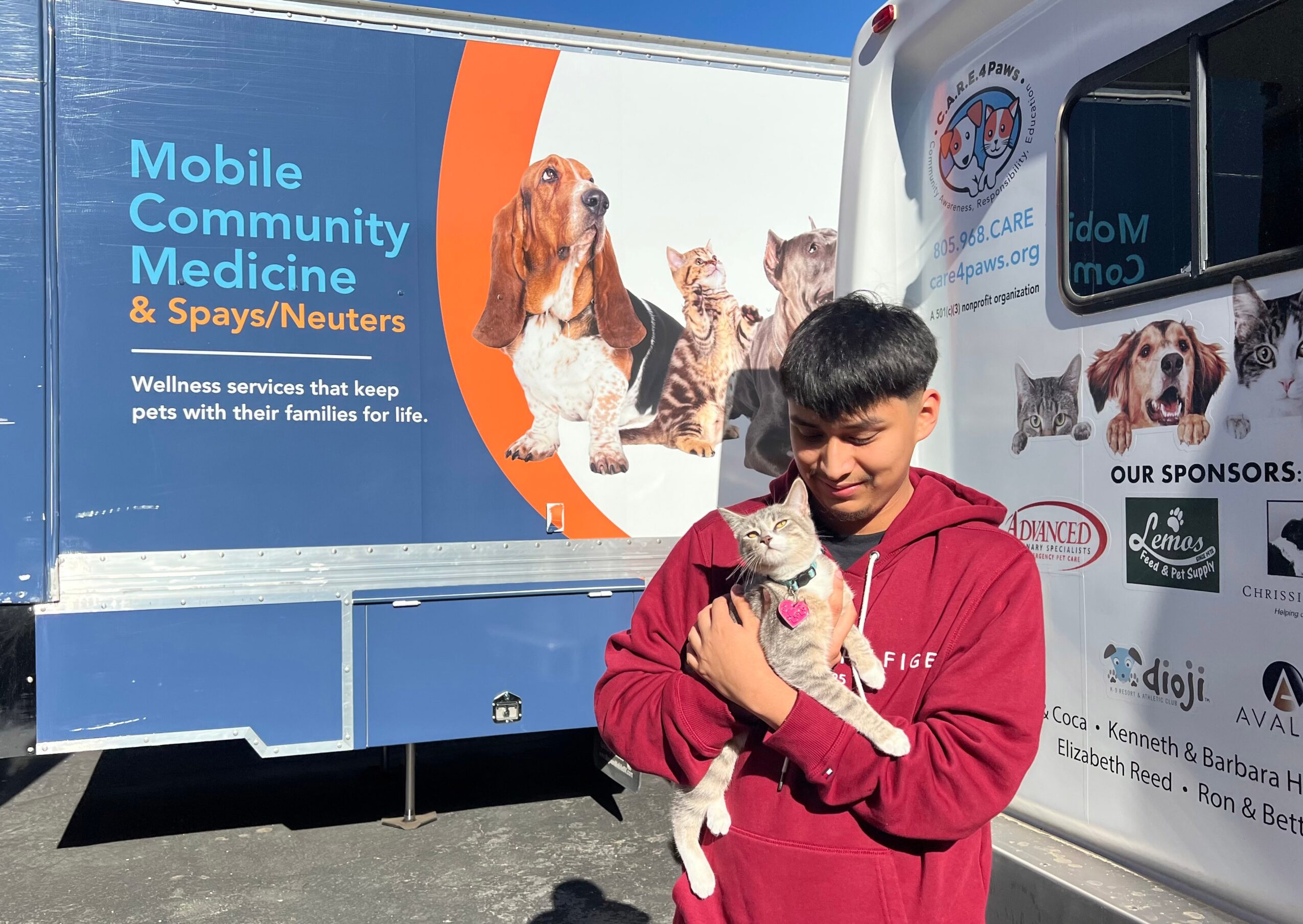
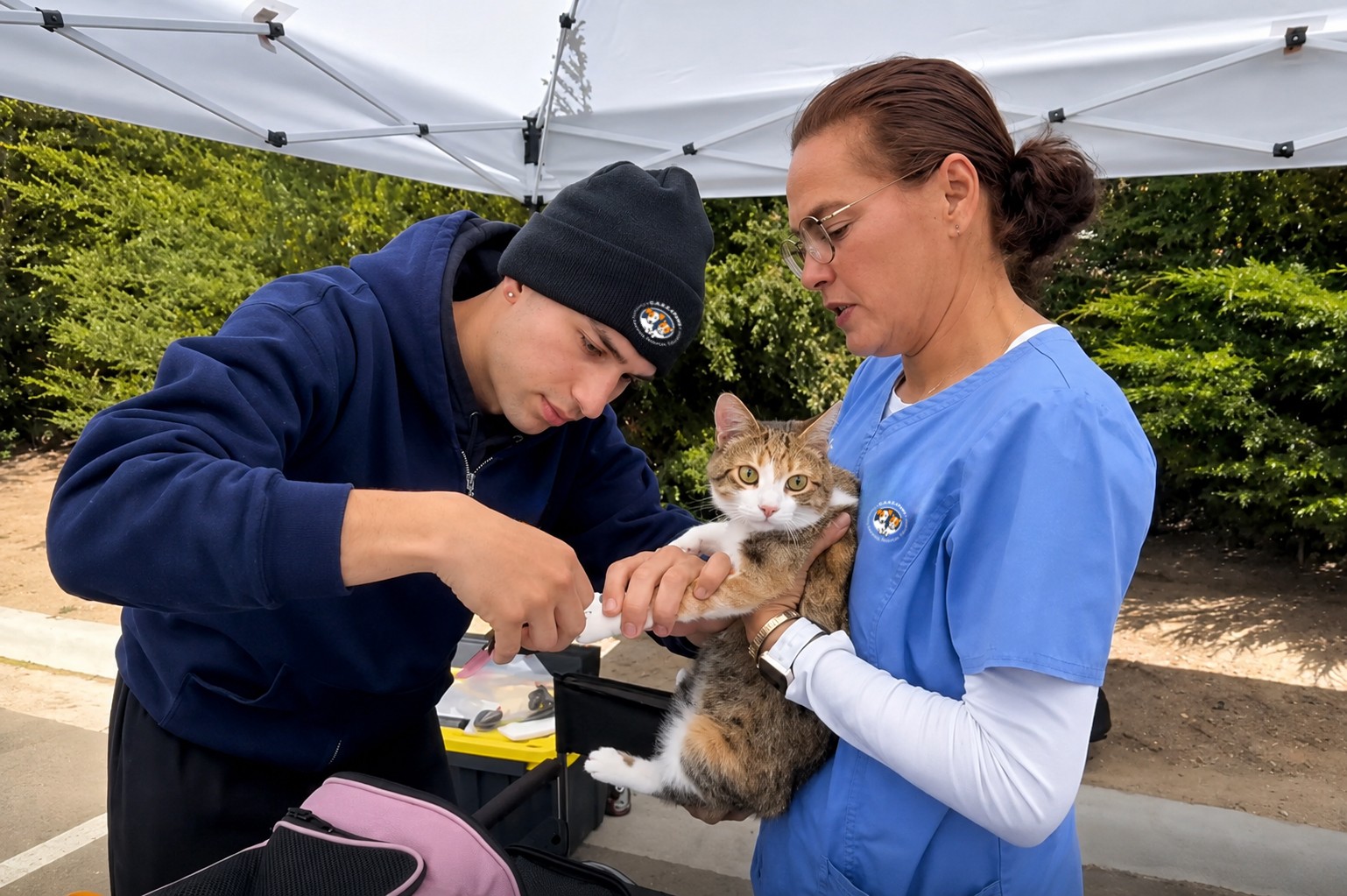
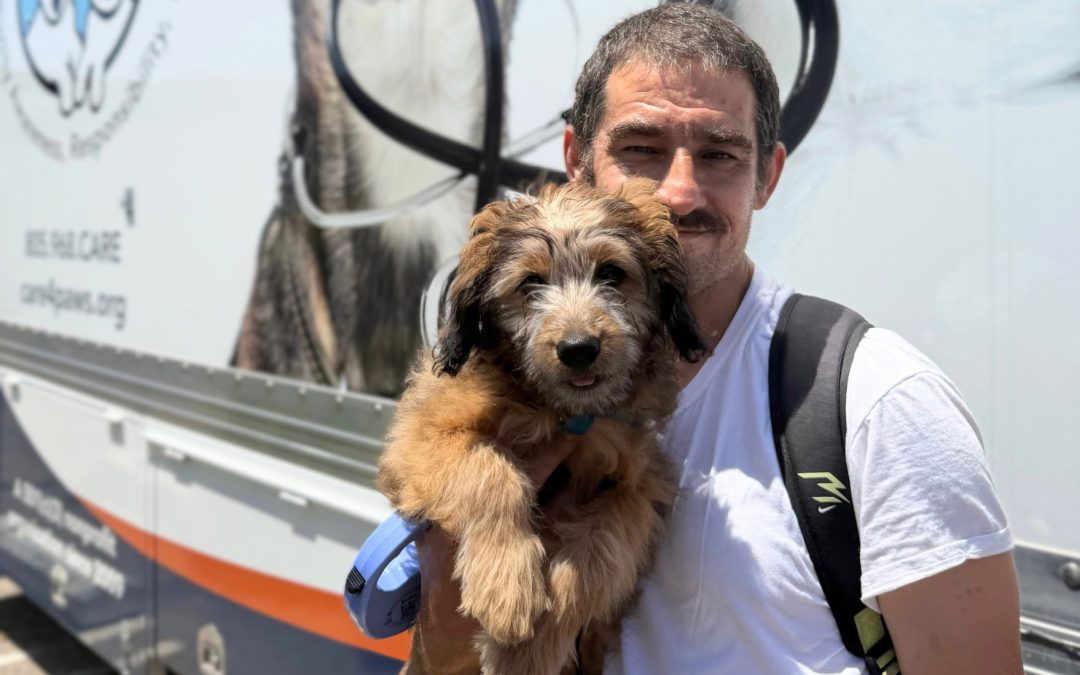
A client with his cat at C.A.R.E.4Paws mobile pet wellness clinic

Would you say it’s been a smooth road, and if not what are some of the biggest challenges you’ve faced along the way?

It definitely hasn’t always been a smooth road. One of our biggest challenges has actually been keeping pace with the growth in demand. The need for affordable pet care has increased tremendously, and as more families learn about C.A.R.E.4Paws, we have to continually find ways to expand our programs, staffing and funding to keep pace. As we’ve grown, so has the responsibility of sustaining the organization. With an annual budget now approaching $3 million, raising the resources we need each year while planning responsibly for the future is an ongoing challenge.

The rising cost of veterinary care has made that especially challenging. Families who may have been able to manage their pets’ medical expenses a few years ago are now reaching out for help, while the cost for us to provide that care has increased as well. There are days when the need simply exceeds the resources available, and that is probably the hardest part of this work.

We’ve also learned that access to care is about much more than affordability. Transportation, distance to services, language differences, housing instability and other life circumstances can all stand between a family and the help their pet needs. That has pushed us to keep evolving—bringing services directly into communities, building strong partnerships and looking beyond veterinary care to address the other challenges pet families face.

Through it all, I think one of our greatest strengths has been our willingness to adapt. We started small and have grown by listening to the community, recognizing gaps and finding practical ways to fill them. There will always be challenges, but seeing what can happen when a family receives the right support at the right time makes the difficult parts worthwhile.

Juancarlos (JC) Castro-Zepeda, Pet Wellness Clinic Coordinator and Patricia Abitia, Clinic Assistant working with a pet onsite at our mobile pet wellness clinic

Appreciate you sharing that. What should we know about C.A.R.E.4Paws?

Please tell us more about your business or organization. What should we know? What do you do, what do you specialize in / what are you known for? What sets you apart from others? What are you most proud brand wise? What do you want our readers to know about your brand, offerings, services, etc?

C.A.R.E.4Paws is a community-based nonprofit dedicated to reducing pet overpopulation, improving pet family welfare and keeping animals healthy and with the people who love them. We serve communities across California’s Central Coast and support more than 25,000 pets and families annually.

What sets us apart is the breadth of our safety net and the way we deliver it. Rather than expecting families to find their way to services they may not be able to afford or access, we bring resources directly into the community. Our mobile veterinary clinics provide low-cost wellness care, medical treatment and spay/neuter surgeries, while our Veterinary Partner Services program helps families access urgent and advanced care beyond the scope of our mobile clinics.

But we learned early on that keeping a pet healthy and at home often requires more than veterinary care. Through Companion Pet Assistance, we provide pet food and supplies, behavioral support and foster care. Safe Haven supports pet families exposed to domestic violence, while our new Pet Refuge provides emergency boarding when families face crises such as hospitalization, housing instability, deportation or disaster. We also support vulnerable animals through our Animals In Need Fund and inspire compassion in young people through our Paws Up For Pets humane education program.

I’m especially proud that C.A.R.E.4Paws has stayed true to its grassroots roots even as we’ve grown. We work closely with shelters, veterinary partners, human-service agencies and other nonprofits because complex problems are rarely solved by one organization working alone.

Most of all, I want people to understand that needing help caring for a pet does not mean someone loves that animal any less. Financial hardship or a life crisis can happen to anyone. Our role is to meet people where they are, without judgment, and provide practical support that can change the outcome for both the pet and the family.

That philosophy—supporting pets by supporting people—has been at the heart of C.A.R.E.4Paws since the beginning, and it continues to guide everything we do.

Senior client with his dog at a pet wellness clinic in Santa Barbara
Pet wellness client with her kitten at our mobile clinic

How do you think about luck?

I feel incredibly lucky in many ways. From the beginning, C.A.R.E.4Paws has attracted people who genuinely believe in our mission and want to be part of making a difference. We have generous donors and community partners who have believed in us and helped us grow, often taking a chance on us when we were still a very small grassroots organization.

I also feel fortunate to work alongside such a compassionate and dedicated team. Our staff and volunteers go above and beyond every day, often stepping up in situations that aren’t easy or don’t have an obvious solution. You can create programs and raise money, but ultimately it’s the people behind an organization who make it what it is.

Of course, there has been bad luck along the way, too—unexpected challenges, setbacks and plenty of moments when things didn’t go according to plan. But some of those experiences have pushed us to adapt, become more resourceful and find better ways forward.

So yes, I think luck has played a role. I feel very lucky to be surrounded by people who care deeply and believe in what we’re doing. C.A.R.E.4Paws would not be where it is today without them.

C.A.R.E.4Paws employee Priscilla providing pet food to a homeless pet family
Man feeding unhoused cats in the Santa Maria riverbed
Help Max until he can be with his family

Help Max until he can be with his family

Recently, Max was separated from the person he loves when his dad was deported to Mexico following an unexpected encounter with immigration authorities while at work. He had been in the process of legally obtaining his immigration documents and now remains in Mexico while working through the immigration process.

Suddenly, Max lost the person and life he knew.

Max was placed in someone else’s temporary care, where he was mistreated during an already frightening and confusing time. Then, heartbreakingly, he was taken to a local beach and abandoned.

Thankfully, Max was found before something worse happened. After everything he has experienced, including the sudden separation from his person, mistreatment, abandonment and repeated changes in his surroundings, he desperately needs stability, patience and a safe place to land.

Max is loved, and his dad wants nothing more than to be reunited with him.

Senior man holding his small dog in from of C.A.R.E.4Paws mobile pet wellness clinic

Max’s dad hopes to return in mid-December, but there are no guarantees about the timing. If he cannot come back as planned, C.A.R.E.4Paws will explore options to safely reunite Max with him in Mexico.

One way or another, our hope is to get this sweet dog back to the person who loves him.

Until then, Max needs our help.

C.A.R.E.4Paws has stepped in to help keep Max out of the shelter system and provide professional boarding and one-on-one care where he can decompress and receive the stability, structure and support he needs.

Keeping Max safely boarded for the next several months comes at a significant cost. Max’s dad’s support system is contributing $500 each month, but that will cover only a portion of the anticipated $6,000 expense.

Every donation—large or small—brings Max one step closer to the day he can be reunited with his dad. Your support will help provide the care Max needs now and, if necessary, help with the next steps to safely bring them back together.

Can’t donate right now? Sharing Max’s story can make a difference, too.

Woman cuddles, plays with her dog at home

He lost his person. He was mistreated. He was abandoned.

We have an opportunity to make sure he doesn’t lose his family forever.

What happened to Max does not have to define what happens next. With safety, patience and time, we can give this sweet dog the chance to recover from everything he has been through—and help him find his way home.

Please help us keep Max safe until he can finally be reunited with the person who loves him.

C.A.R.E.4Paws seeks foster families to support Central Coast pets

C.A.R.E.4Paws seeks foster families to support Central Coast pets

Edhat Santa Barbara | Sunday, July 19, 2026 | The Pet Refuge offers free emergency boarding, while foster families provide a comforting alternative for pets that need a home environment or longer-term placement. |

For some pets, the happiest foster stories don’t end with adoption. They end with a front door opening, a wagging tail and a family finally reunited.

That’s the goal of C.A.R.E.4Paws’ temporary foster program and new Pet Refuge, which together provide safe, confidential care for Central Coast dogs and cats whose families face domestic violence, medical emergencies, housing insecurity, deportation concerns or other life crises.

The Pet Refuge offers free emergency boarding, while foster families provide a comforting alternative for pets that need a home environment or longer-term placement.

When people face a crisis, concern for a beloved pet often becomes a barrier to seeking help.

That’s why C.A.R.E.4Paws created the Pet Refuge. While the program provides free, confidential emergency boarding, some pets thrive best in a home rather than a boarding environment. Foster volunteers provide the comfort, stability and one-on-one attention these pets need while expanding C.A.R.E.4Paws’ ability to help more families during times of crisis.

“People often ask, ‘Why foster a pet that already has a family?’” says Andrea Caplan, C.A.R.E.4Paws’ Pet Refuge & Foster Coordinator. “The answer is simple: because you’re helping a family stay together. A foster home gives pets the love, companionship and routine they need while their people focus on finding safety, recovering from illness or rebuilding their lives.

Foster families needed to keep pets with their people

By opening your home temporarily, you help prevent pets from entering already overcrowded shelters and rescue organizations and give families the chance to reunite when they’re ready.”

Most foster placements last one to three months, depending on each family’s circumstances and progress. C.A.R.E.4Paws provides supplies, veterinary care and ongoing support throughout all placements, which are confidential to protect everyone’s privacy.

For volunteer Courtney Radis, a recent foster experience proved more meaningful than she ever expected. “Temporary fostering was a tangible way for my family to help someone outside of ourselves,” Radis says.

“Getting to spend time with the best cats in the whole world until they could be reunited with their owner was even more beautiful than we could have imagined. Knowing she was able to hold and hug them again after finding stability will stay with us forever.”

Natasha Benitez, who is fostering four-year-old Dakota, says opening her home to pets in need has been rewarding.

“I feel so lucky to have the opportunity to give dogs like Dakota a safe, loving home during a time of transition. Although it takes a little time for everyone to settle in, watching dogs gain confidence, feel secure and learn to trust people makes every moment worthwhile.

Seeing Dakota happy brings us joy every day. She’s our silly little snuggle bug with the most tender heart.”

Those interested in becoming a foster family can learn more and apply at care4paws.org/foster, or call 805-968-2273 with any questions. To learn more about C.A.R.E.4Paws and its many safety-net services, and to support the nonprofit’s work on the Central Coast, please visit care4paws.org.

Not every foster program is about finding pets new homes

Not every foster program is about finding pets new homes

When most people think about fostering, they picture helping a dog or cat prepare for adoption. Foster homes play an incredibly important role in animal welfare, giving pets a safe place to stay while they wait for a permanent family. Our foster program has a different purpose.

Senior man holding his small dog in from of C.A.R.E.4Paws mobile pet wellness clinic

Every day, we meet people facing circumstances they never imagined. A parent escaping domestic violence. Someone recovering from a medical emergency. A family forced to leave home because of housing instability. An individual navigating deportation concerns or another unexpected crisis. In moments like these, one heartbreaking question often stands in the way of getting help:

“What will happen to my pet?”

Woman cuddles, plays with her dog at home

For many people, the fear of losing a beloved companion is enough to delay seeking shelter, medical care or other critical services. That’s why C.A.R.E.4Paws created the Pet Refuge and expanded our temporary foster network—to remove one more barrier during life’s most difficult moments. Together, these programs provide safe, confidential care for dogs and cats until they can return home.

Some pets do well in emergency boarding, while others need the comfort of a home. That’s where our foster families come in.

Foster families needed to keep pets with their people

Opening your home for a few weeks or months gives a pet the love, companionship and routine they need while their family focuses on healing, finding safety or getting back on their feet. C.A.R.E.4Paws provides supplies, veterinary care and ongoing support throughout every confidential placement, so foster volunteers are never alone.

People often ask our Pet Refuge & Foster Coordinator, Andrea Caplan, why anyone would foster a pet that already has a family and her answer is simple. “You help a family stay together.”

For volunteer Courtney Radis, that mission became deeply personal. “Temporary fostering was a tangible way for my family to help someone outside of ourselves,” she says. “Getting to spend time with the best cats in the whole world until they could be reunited with their owner was even more beautiful than we could have imagined.”

Foster families needed to keep pets with their people

Every reunion reminds us why this program matters. The happiest foster stories aren’t about saying goodbye forever. They’re about opening the front door, watching a tail wag with excitement and seeing a pet run back into the arms of the people who never stopped loving them.

If you’d like to become part of that story, we’d love to hear from you. Foster placements typically last one to three months, and every placement is tailored to the needs of the pet and family.

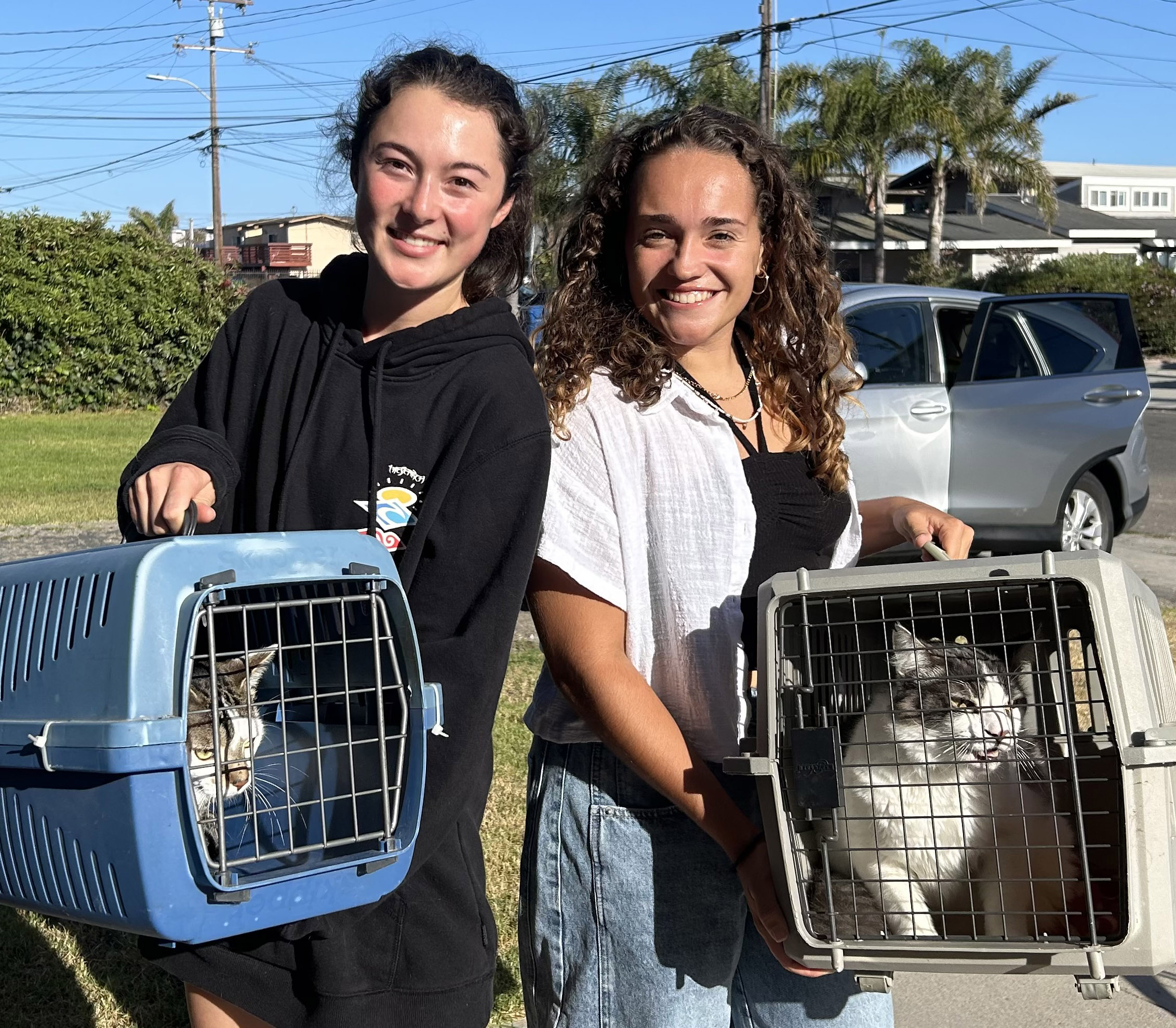
C.A.R.E.4Paws foster holding a white dog and a white cat in her lap
It takes a village – and a very good autoclave

It takes a village – and a very good autoclave

By: Santa Barbara Foundation | June 24, 2026 4:10 PM |

Ask most people what a nonprofit grant pays for, and they’ll describe a program – classes taught, meals served, families housed. And that instinct makes sense: programs are visible. They’re the work you can point to; the outcomes you can count. But behind every effective program is an organization capable of delivering it consistently, day after day, even when resources are tight and demand is high. Capacity building grants make a different bet: that strengthening the organization itself is what makes the real work possible.

That’s the thinking behind the Santa Barbara Foundation’s Small Capacity Building Grant Program — funding designed not for a specific program, but for the people, tools, and systems that keep a nonprofit running well. Over the last five years, SBF has invested over $2.6 million in these grants, and the results speak for themselves.

C.A.R.E.4Paws, a local nonprofit with the mission to reduce pet overpopulation and improve pet family welfare on California’s Central Coast, was the recipient of a 2025 Small Capacity Building Grant. They operate a mobile veterinary unit, performing spay/neuter surgeries across Santa Barbara County including in remote communities like New Cuyama. The grant funded the purchase of a new high-capacity autoclave, allowing them to sterilize surgical instruments more efficiently and increase the number of surgeries they could perform each day. This is the kind of infrastructure investment that doesn’t make headlines – until you see what it enables in the field.

One story in particular illustrates the point. It started when a New Cuyama resident reached out to the C.A.R.E.4Paws team reporting that she regularly fed 25 to 30 cats in her backyard. The team drove out to see it for themselves.

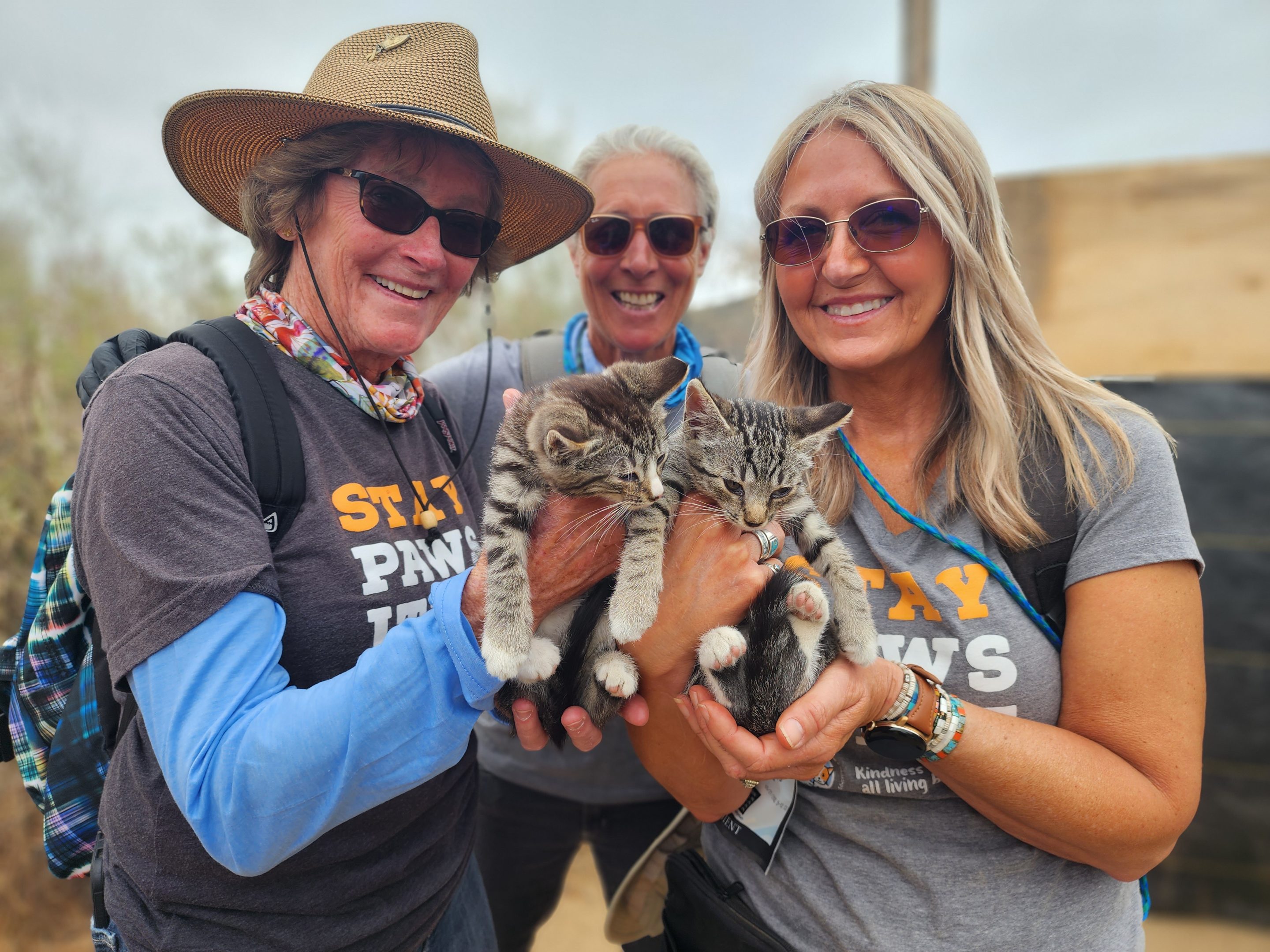
Our C.A.R.E.4Paws dedicated volunteer and staff team in New Cuyama with a cat in trap
Two kittens with the TNR ear tag

“She wasn’t kidding,” reflected Julie Crutcher, a grant writer and core volunteer at C.A.R.E.4Paws. “We showed up at dinner time and the cats (easily 30 of them) came from all directions. There were even more cats just walking down the street, close to houses.”

New Cuyama is home to about 650 people, sits an hour from Santa Maria, and has no local veterinary services. C.A.R.E.4Paws estimated the cat population could easily double in six months if left unchecked. They wasted no time.

The organization launched three large TNR (trap-neuter-return) clinics, made possible in part by the autoclave’s ability to turn around large volumes of sterile surgical packs quickly and reliably. Those clinics drew in partners: fellow Santa Barbara organizations ResQCats, ASAP Cats, Santa Barbara County Animal Services, and Santa Barbara Humane all joined the effort, contributing funding, trapping expertise, and ongoing veterinary services. The New Cuyama community itself got involved too, eventually taking ownership of a neighborhood Pet Food Pantry that now serves 50 to 60 families every week.

On one visit in December, the team used the New Cuyama Community Resource Center’s entire building to run their biggest clinic yet, spaying or neutering 48 cats in a single day. None of it would have been possible without a van stocked full of sterile surgical packs — made possible by the new autoclave.

This is what capacity building looks like when it works: not just a stronger organization, but one equipped to show up as a reliable partner, to anchor a collaboration, and to keep going when the mission gets ambitious. As Isabelle Gullo, Executive Director and Cofounder of C.A.R.E.4Paws, put it:

“The autoclave sponsored by the Santa Barbara Foundation has been a lifesaver. Thank you for helping to power us forward. It truly takes a village to make an impact!”

C.A.R.E.4Paws is one of 885 active nonprofits serving Santa Barbara County, and stories like this one are a reminder of the remarkable work happening across our community every day. We are grateful for their dedication to the animals and families of Santa Barbara County, and proud to play a small role in supporting it. To learn more — visit C.A.R.E.4Paws’ website or watch a video about the New Cuyama project here.

Visit our website to learn more about the Small Capacity Building Grant Program & submit an application before the next deadline of July 14, 2026.

Bubby got a second chance

Bubby got a second chance

Just one month after being welcomed into his new home, three-month-old Bubby found himself fighting for his life. When the playful puppy became weak, lethargic and severely ill, his family rushed to seek help and received the devastating diagnosis of parvovirus. Faced with mounting veterinary expenses and already struggling financially, they feared losing the newest member of their family.

Today, we’re thrilled to share that this sweet puppy is doing well and getting back to his crazy puppy antics!

Buddy the dog receiving treatment for parvo at our partner clinic Village Vet

Thanks to so many generous supporters, Bubby’s family did not have to face this emergency alone. We are especially touched by the number of people who responded to our request for $5. Those gifts, combined with larger donations from compassionate supporters, quickly added up to make a real difference.

Buddy recovering at home for his battle with parvo

Bubby’s devoted family, Kevin and Hope, asked us to share this message:

“You helped us so much and we are beyond grateful. You have no idea how much your kindness and support have meant to us. Thank you for giving Bubby a second chance. We are praying for tremendous blessings to come your way.”

A close of Buddy the dog

Whether you gave $5, $50 or $250, shared his story or kept Bubby in your thoughts, you became part of his journey.

His story is a powerful reminder that no gift is too small. When a caring community comes together, $5 donations become lifesaving medications, diagnostic tests, emergency treatments and second chances.

And Bubby is not the only pet who needs help.

Every week, C.A.R.E.4Paws hears from families experiencing unexpected veterinary emergencies. The Albus Pet Lifeline Fund allows us to say “yes” when urgent calls come in, providing care for pets whose families struggle to afford treatment.

Will you help provide that same second chance to the next pet who needs us?

❤️ Donate to the Albus Pet Lifeline Fund.

❤️ Consider making your gift a monthly donation for pets like Bubby.

Your support does not just help one pet. It ensures that families like Kevin and Hope’s never have to face a veterinary emergency alone.

C.A.R.E.4Paws and Farm Supply Company partner for pet wellness clinics

C.A.R.E.4Paws and Farm Supply Company partner for pet wellness clinics

By: KSBY News Channel 6 | California’s Central Coast | June 12, 2026 6:09 PM | Last updated 2:26 AM, Jun 13, 2026 |

C.A.R.E.4Paws is expanding its Mobile Community Medicine & Spay/Neuter Outreach Program through a new partnership with Farm Supply Company, bringing monthly pet wellness clinics to each of the retailer’s five Central Coast locations.

The first clinic took place on Friday, June 12, at Farm Supply’s San Luis Obispo store. Additional clinics follow on June 18 in Arroyo Grande, July 10 in Buellton, July 23 in Santa Maria and July 30 in Paso Robles.

Puppy at Farm Supply receiving dewormer and vaccines at C.A.R.E.4Paws pet wellness clinic, photo by KSBY

Photo by: KSBY

On designated clinic days, C.A.R.E.4Paws will offer walk-in wellness services for dogs and cats from 10 a.m. to 1 p.m. Services include affordable vaccinations, microchips, flea and deworming treatment, and nail trims. Community members who are able to are encouraged to donate above the suggested fee, supporting a pay-it-forward model that helps pet families facing financial hardship.

The partnership also raises awareness of C.A.R.E.4Paws’ broader mobile clinic services for qualifying low-income pet families, which include spay/neuter surgeries, medical exams, treatment of ear, eye and skin conditions, wound care, basic bloodwork, dental procedures and other low-cost or subsidized medical services.